Hanuman Jayanti: The Celebration of the Divine Devotee
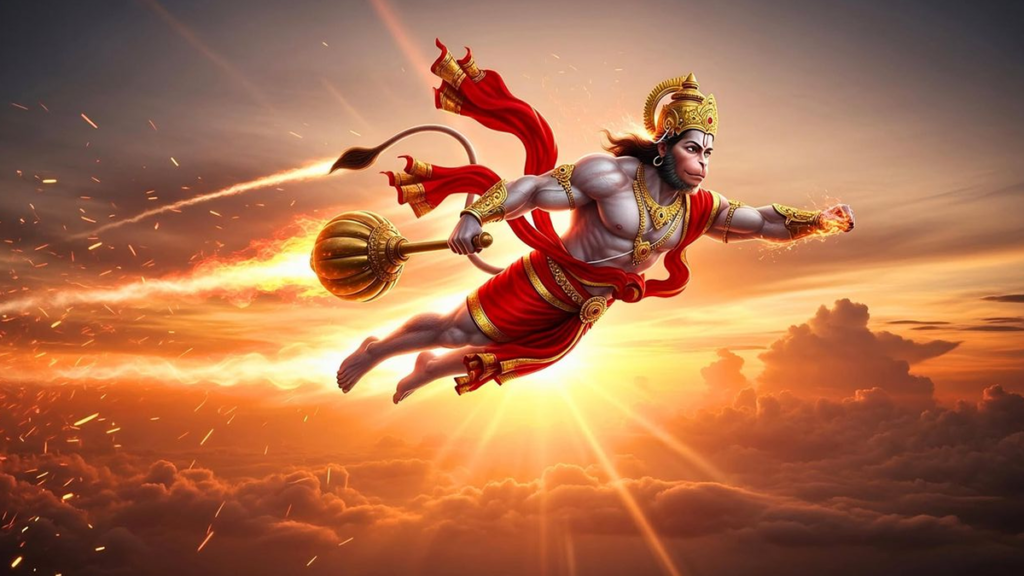
Hanuman Jayanti is one of India’s most auspicious and widely celebrated Hindu festivals. It marks the birth of Lord Hanuman, the mighty Vanara known for his unwavering devotion to Lord Ram, immense strength, courage, and selfless service. Worshipped as a symbol of power, energy, intelligence, and devotion, Hanuman inspires millions worldwide. This sacred day is celebrated with great enthusiasm and reverence, especially by devotees of Shree Ram and Hanuman. The festival is not just a religious observance but a spiritual experience, reminding devotees of the values of humility, strength, and unwavering faith. ॐ The Divine Birth of Hanuman Hanuman Jayanti commemorates the birth of Anjaneya, another name for Hanuman, who was born to Anjan, an apsara cursed to be born on earth, and Kesari, a Vanara chief. Hanuman was believed to be born by the blessings of Vayu Deva, the Wind God, hence the name Vayuputra. He is also known as Maruti Nandan, Bajrangbali, and Mahavira, each signifying his personality’s different attributes. The story of his birth is found in various Puranas and epics. To help Lord Vishnu in his incarnation as Shree Ram, he took birth as Hanuman. Anjan performed intense tapasya to please Lord Shiv and received the boon that Shiv himself would be born as her son. When is Hanuman Jayanti Celebrated? Unlike many Hindu festivals that have a single fixed date, Hanuman Jayanti is observed on different dates in various parts of India, based on regional traditions and beliefs: North India: Celebrated on Chaitra Purnima (full moon day of the Chaitra month, March–April), which is believed to be Hanuman’s actual birthday. Maharashtra: Observed on the 14th day of Krishna Paksha of Chaitra month. Tamil Nadu and Kerala: Hanuman Jayanti is celebrated during Margazhi (December–January). Karnataka and Andhra Pradesh: Hanuman Jayanti is a 41-day celebration that starts on Chaitra Purnima and ends on the 10th day of Vaishakha. Odisha: Observed on Baisakha Shukla Dasami, during Hanuman’s Janmotsav. Why Hanuman Jayanti is Important Hanuman is not just a mythological character but a revered deity who embodies the highest ideals of devotion (bhakti), strength (bal), humility (vinaya), and service (seva). His life is a shining example of what it means to dedicate oneself entirely to a higher purpose. Hanuman Jayanti is an occasion to remember his unshakable faith in Shree Ram, his unmatched valor during the Ramayan war, and his constant readiness to help those in need. It inspires people to cultivate similar virtues in their own lives—faith, courage, and loyalty. Celebrations Across India Hanuman Jayanti is celebrated in various ways, depending on local customs, temple traditions, and community preferences. Despite these differences, the central theme of devotion and reverence remains the same. 1. Temples and Rituals On Hanuman Jayanti, temples glow with devotion as Bajrangbali is worshipped with flowers, sindoor, and sacred rituals. On Hanuman Jayanti, Hanuman temples are beautifully decorated with flowers, flags, and lamps. Special pujas, abhisheks (ritual bathing), and aartis are conducted. In temples like: Hanuman Garhi in Ayodhya Sankat Mochan Temple in Varanasi Jakhu Temple in Shimla Mahavir Mandir in Patna Namakkal Anjaneyar Temple in Tamil Nadu Thousands of devotees gather for darshan and blessings. Devotees offer vermilion (sindoor), oil, and laddus, which are believed to please Hanuman. Large idols are bathed in water, milk, and honey in some places before being dressed in saffron robes. 2. Chanting and Recitations In sacred stillness, he chants—each breath a step toward the divine. On this day, many recite the Hanuman Chalisa, a 40-verse hymn composed by Tulsidasji extolling Hanuman’s virtues and power. Some chant the Sundar Kand, the fifth book of the Ramayan, which focuses heavily on Hanuman’s adventures. Akhand Path (uninterrupted reading) of the Ramcharitmanas or Hanuman Chalisa is held in many homes and temples. Bhajan sessions and kirtans continue throughout the day and night. 3. Fasting and Devotion In silent devotion, she embraces the sacred fast—her spirit nourished by faith, not food. Devotees observe fasts (vrat) on Hanuman Jayanti to seek strength, remove obstacles, and gain protection. Many eat only fruits and milk throughout the day. It is believed that sincere prayers on this day can remove negativity, fears, and even black magic. Hanuman is known as Sankat Mochan, the remover of troubles. People pray to him for courage, exam success, good health, and victory over enemies.
Hanuman Jayanti: The Celebration of the Divine Devotee Read More »